



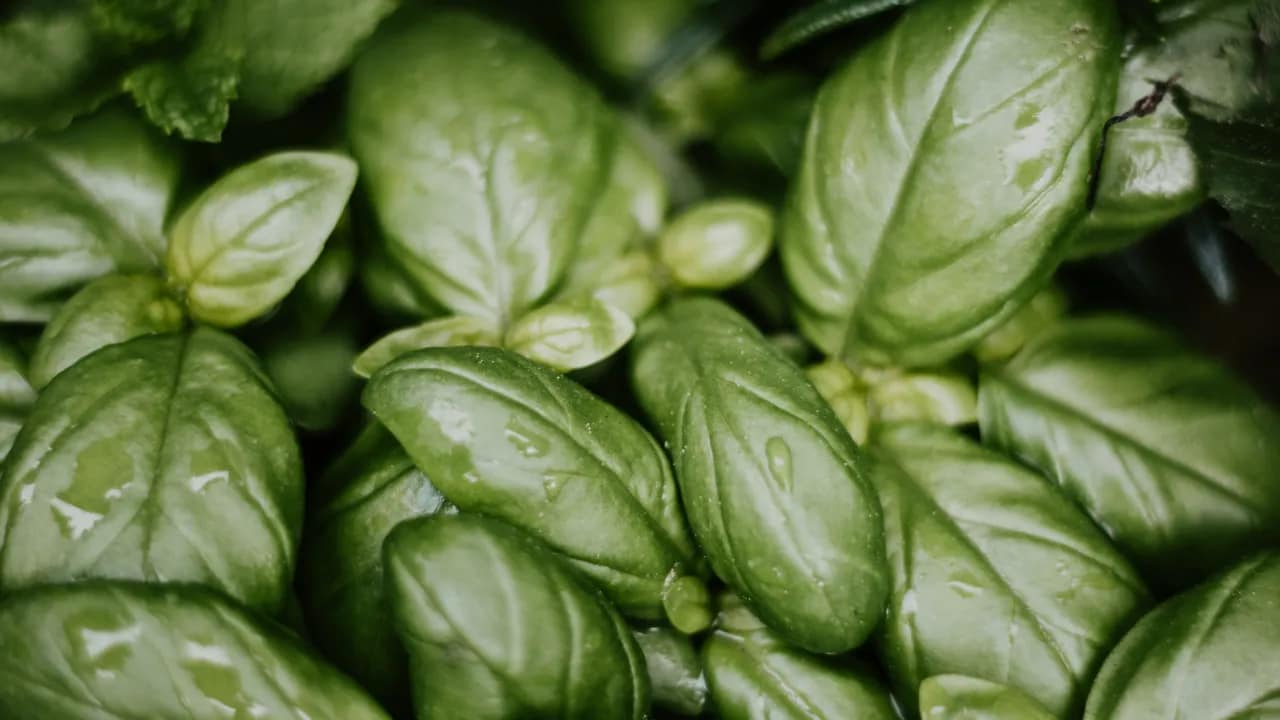
If there’s one aromatic herb we tend to associate with summer, it’s basil. A staple of Italian cuisine—as well as Thai, Vietnamese, Indonesian, and Indian—its distinctive fragrance and flavor give character to everything from Caprese salad and Genovese pesto to pho and green curry.
Despite its seasonal connotations, however, there’s no need to limit your consumption of basil to summer alone. This wonderfully versatile herb deserves a place in our kitchens year-round, thanks not only to its culinary appeal but also to its impressive nutritional profile. Rich in antioxidants, vitamins, and minerals, basil offers potential health benefits that go well beyond its culinary appeal, from helping protect against oxidative stress to supporting metabolic health. Certain varieties, particularly holy basil (tulsi), have even been studied for their potential effects on stress, mood, sleep, and anxiety.
In other words, this fragrant little herb has plenty going for it beyond its ability to elevate a bowl of pasta. And whether fresh, dried, or frozen, it’s easy to enjoy throughout the year. Below, a closer look at what makes basil so special.
The nutritional properties of basil
Native to tropical regions of Asia and widely cultivated throughout the Mediterranean basin, basil (Ocimum basilicum) belongs to the Lamiaceae, or mint, family. Its distinctive fragrance comes from naturally occurring compounds such as linalool, estragole, and eugenol, which are found in its essential oils. In addition to the ubiquitously available sweet basil and the aforementioned holy basil, it also comes in a ton of other varieties including the crinkly-leaved Napoletano, the purple-tinted Thai basil, and the warmly-spiced cinnamon basil.
Made up largely of water and naturally low in calories, basil also contains an impressive assortment of nutrients. These include minerals such as copper, potassium, magnesium, calcium, iron, and phosphorus, along with vitamins K, A, C, and E, folate, and pantothenic acid.
Then there are its antioxidants: flavonoids such as quercetin and apigenin, carotenoids such as beta-carotene, and lutein and zeaxanthin, two compounds known for their role in supporting eye health.
The health benefits of basil
Obviously, the quantities we typically consume as a garnish are relatively small. But basil still contributes beneficial plant compounds to our diets—and gives us one more reason to be generous with those fragrant green leaves. Beyond its unmistakable flavor, basil contains a variety of nutrients and bioactive compounds that may support health. Here’s what the research suggests about the health benefits of basil:


