



Panos Panay, Amazon’s senior vice president of Devices and Alexa, says a couple hundred million people now use Alexa+, the revamped version of the decade-old voice assistant, on its Echo devices. He says people talk to Alexa+ two to three times more than before its AI glow-up, cook with it five times more, listen to music three times more, and create routines twice as much.
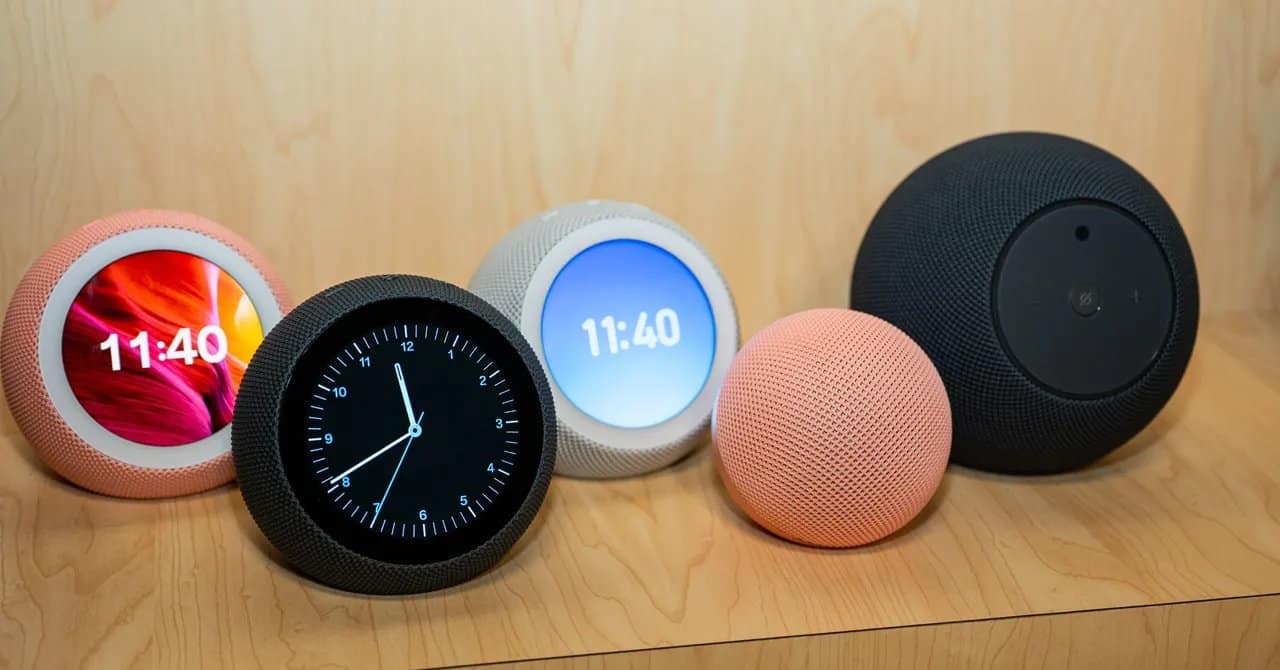
To keep that momentum going, Amazon has new Echo products to deliver a richer Alexa+ experience, including minor refreshes on existing hardware and entirely new categories. Announced Wednesday and available for purchase now, they include the Echo Dot ($100), Echo Studio With Home Camera ($250), Echo Show 16 ($500), Echo Time ($200), and the first Alexa Photo Frame ($200).
“I don’t think anyone’s really doing AI at all in the home, and if they are, they aren’t doing it well,” Panay says at an intimate media-only event in New York City. As people have “deeper” conversations with Alexa+, Panay says devices need to be in premium shape—a strategy Amazon has been focusing on after announcing more premium Kindles and Alexa Tablets in early October.
You can see that premiumization in the hardware pricing: The Echo Dot—once the affordable, entry-level $50 smart speaker—now starts at $100. That’s higher than the marked-up prices on existing Amazon devices from this summer, which the company blamed on the memory shortage.
Echo Dot

Panay says Amazon has sold more than 100 million Echo Dots, and in 2026 alone, people spent more than a trillion minutes listening to music on the diminutive orb. So, the main goal for the new Dot? Boost the sound. The full-range driver reportedly delivers 50 percent stronger bass performance and crisper vocals.
With four beamforming microphones (up from three) and Amazon’s AZ3 chip, Alexa can isolate your voice in a noisy environment and track your commands more effectively. It also has Omnisense like last year’s Echo Dot Max, which can sense the environment to, say, detect when you walk into the home and turn on the lights.
The Dot now supports the Matter standard and works as a Thread border router, turning it into a hub for setting up and controlling smart home devices. If you have an Eero router, it can also turn into a Wi-Fi extender.


