

China’s fashion market remains fertile ground for independent brands looking to expand overseas. But as the market has grown and globalized, with more Western brands moving in to stake a claim and local brands exerting more dominance, competition is rife and cracking it is more complex than ever.
“Chinese consumers today are highly informed and have access to brands from all over the world, so being international is no longer enough,” says Tasha Liu, founder of Labelhood, a pioneering retail platform and incubator for emerging brands entering the Chinese market. “What matters is whether a brand has a clear point of view, communicates consistently, and is willing to build genuine relationships over time.”
Multi-brand boutiques have become more significant in China, growing from a handful in major cities like Shanghai, Beijing, and Chengdu to having a more consistent presence across the country. They have also shifted from stocking mainly Chinese brands to a more diverse global mix, with concept stores like Dongliang and B1ock functioning as a benchmark for overseas brands looking to break in.

But in the context of a wider economic slowdown and cautious consumer spending, which is driving international brands to scale back expansion plans, close underperforming stores and rethink their China strategies, businesses can no longer rely on the country for guaranteed growth — and independent brands must come prepared. Below, a guide on what to know about selling in China now.
Leaning into the new quiet luxury
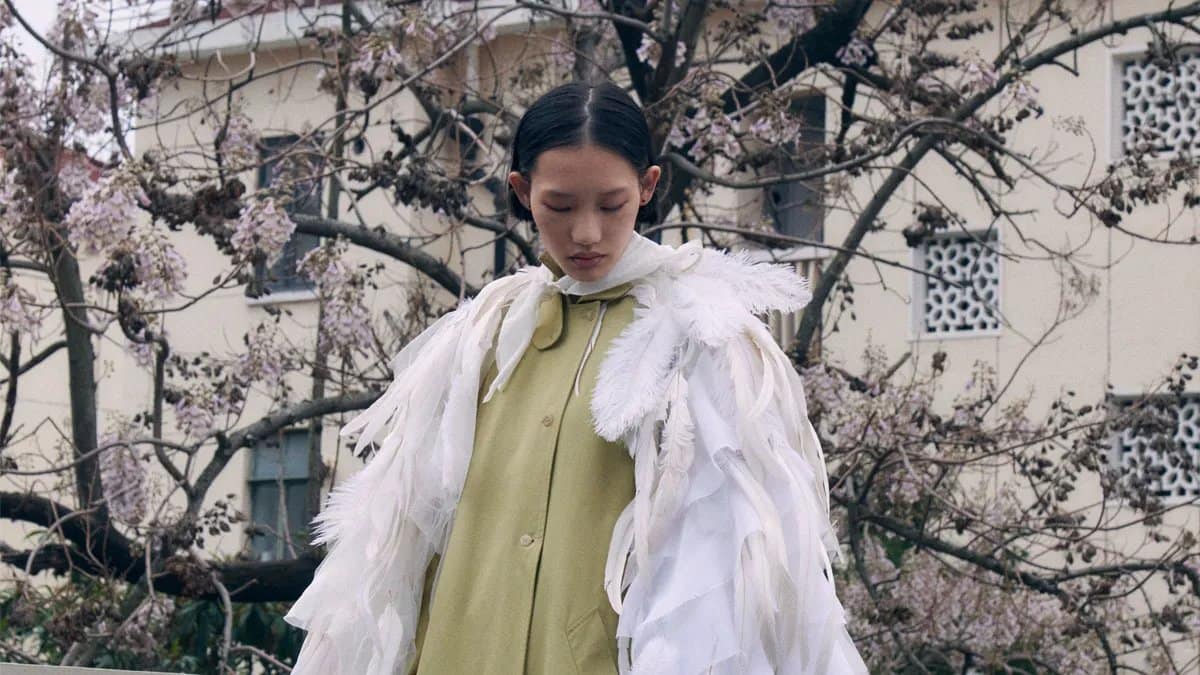
Despite a previously strong appetite for logos and status-signaling heritage brands, China’s fashion consumers haven’t been immune to the quiet luxury wave of the last few years. Increasingly, shoppers are turning their attention toward labels that focus more on material and craft.
At Dongliang, an influential multi-brand retailer that’s become a target for overseas designers entering the market, fabric-focused artisanal labels like Auralee, Lauren Manoogian, and Rier are among the most popular. “Having been exposed to a wide range of [brands], local consumers have become more sophisticated in following fashion trends and more discerning in understanding brand narratives and values,” says Kea Duan, Dongliang’s PR.