



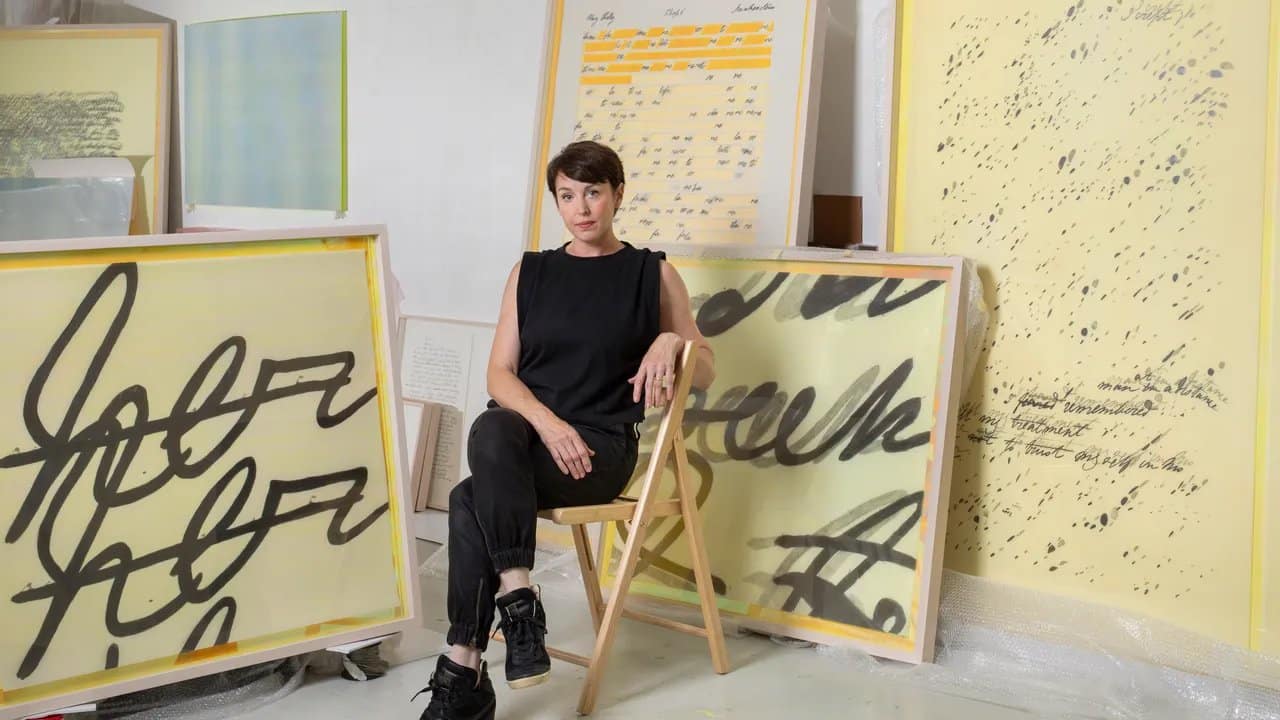
Popular culture would have you believe that Frankenstein, Mary Shelley’s seminal 1818 novel, is a horror story of male hubris, about a mad scientist contending with the dangers of his own creation. And it is, at least in part. But within Shelley’s critique of patriarchal power, there is another voice that is often overlooked: her own. About a third of the way into the book, the narration switches to the perspective of the so-called monster as he tells Victor Frankenstein what has happened to him during the nearly two years he and his creator have been apart.
The six chapters written in the creature’s voice contain some of the most achingly beautiful prose in the whole novel. He details how he learned to understand language and emotion. How he marveled at the warmth of the sun, the blooming of flowers, the sweetness of fruit. How he grew to love the family he tenderly observed from his hiding place, and how devastating their rejection was. He explains how he came to know anger, loneliness, loss, rage—and the vengeful acts they inspired.
“Reading those chapters, I find it really hard to think of this as a man’s voice,” the British-born, New York–based conceptual artist Jane Benson tells me during a recent visit to her Chelsea studio. “This sounds like a woman’s voice crying for justice, and to be heard. It’s bathed in feelings of isolation and grief and desertion and betrayal—all things that in everyday life, that was the woman’s lot.” She came to think of the creature’s voice as not only Mary Shelley’s, but also a general evocation of the struggles women face in a misogynistic world.

Jane Benson, the day, 2026, graphite on archival polyester film, radiant acrylic, acrylic paint.Photo: Steven Probert. Courtesy of Sargent’s Daughters


