



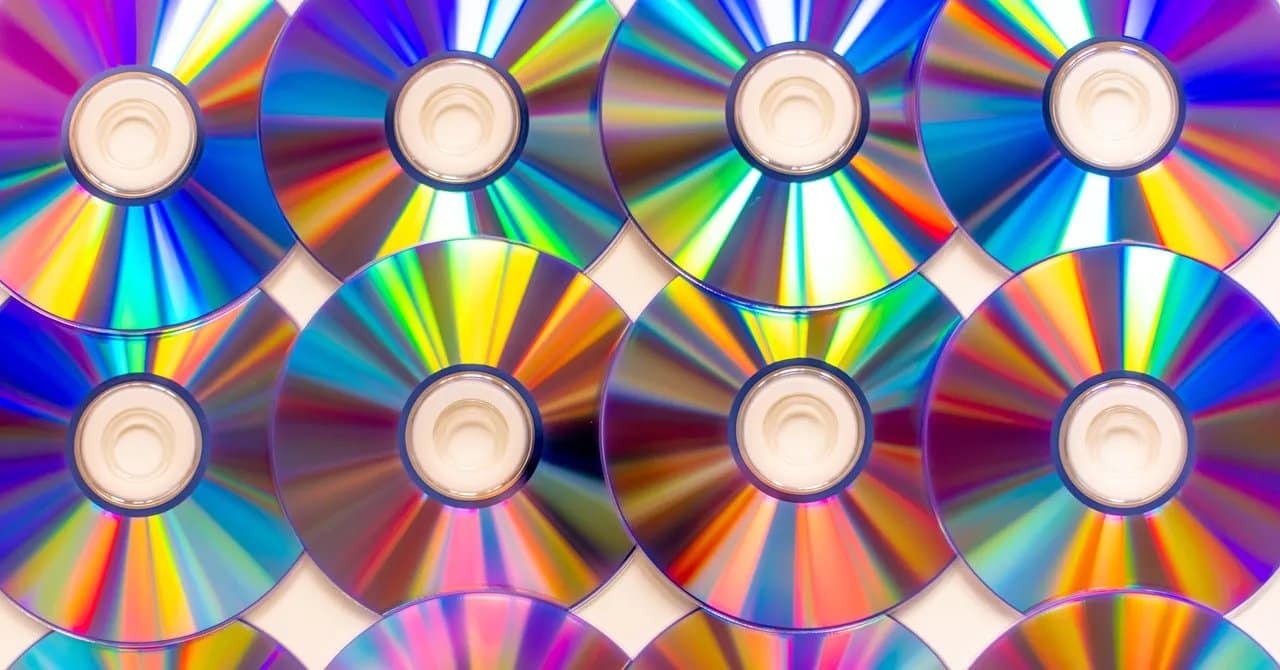
You can score some great finds when thrifting for CDs, but you never know the conditions the discs were stored in before they hit the discount shelf, so learn to spot the most common problems and be discerning. You may even want to bring a portable player with you when you shop so you can test your finds—with the seller’s consent, of course.
Invest in Proper Storage
Similar to a vinyl record, the best way to store a CD is vertically, in its original sleeve, jewel case, or digipack. Any solid shelf makes a good home, but used furniture stores or Goodwill shops will often also have dedicated CD shelving, made of wood or metal, specially designed to fit rows of jewel cases.
About those jewel cases: If they’re damaged or missing pieces, they don’t do as good a job protecting the CDs or artwork inside from spills or scratches. Go the extra step and invest in replacements for cracked jewel cases or damaged interior spindle trays.
If you listen on the move and like to take your discs in the car, a classic CD wallet or CD book is your best solution. You load your disks into the wallet’s plastic pouches and store the jewel case and the artwork somewhere safe, either on the shelf or in a box.
The demand for these nostalgic book-style cases has only increased over the years. “We stocked some recently,” says Steven Alejandro, who has been the general manager at Hogwild Records for over 30 years. “And then the supplier ran out, and now they don’t have any more to sell.”
If you’re lucky to find a case, or you’ve repurposed your parents’ old CD wallets, remember not to leave the case in a hot car, in the sun, or anywhere near a heat source for an extended time.
Keep Your CDs and CD Players Clean
The best way to maintain a physical media collection is to keep everything clean. Found your dream player at a garage sale? Chances are it hasn’t been properly maintained in 20 years. CD players do need to be cleaned every once in a while to ensure the laser lens is free of any debris or fingerprints that can impact playback and audio quality.
On the actual disc, fingerprints, dust, and anything else stuck to the bottom surface can cause audible skips during playback. It’s best to use a microfiber cloth and, if necessary, a cleaning solution for extremely dirty CDs. Don’t wipe the disc in a circular motion. Always wipe the disc from the center outward, starting at the hole and pulling the cloth gently toward the outer edge of the disc.
Final Tip
Enjoy your CDs! Rip the contents to your hard drive if you need to, but they sound great when you just give them a spin. There’s a joy in collecting music, because while online streams may be temporary, the physical media we have will always be something we truly own and the actual definition of on-demand.


