



– The government has removed the cap on new registrations for its production-incentive scheme, reaffirming support for one of Europe’s leading filming destinations

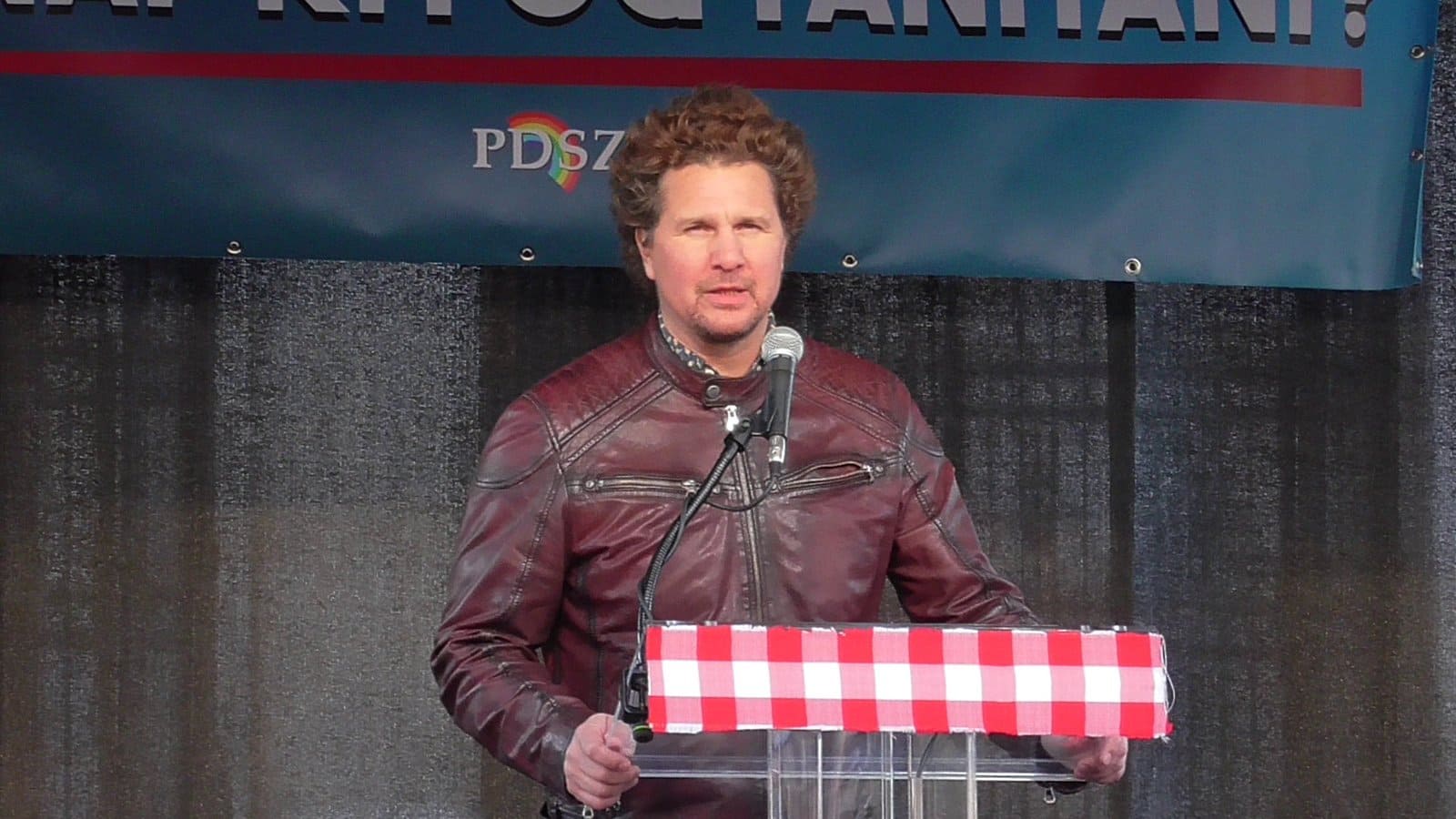
Hungary’s State Secretary for Culture, Ervin Nagy (© Attila Szervác)
Hungary has reinstated unrestricted access to its flagship production-incentive programme after the government confirmed that registrations for the country’s film rebate have resumed without limitation. The decision, announced by State Secretary for Culture Ervin Nagy, removes the temporary cap introduced during the previous administration and restores full operation of one of Europe’s best-established production support systems.
The move is widely seen as an effort by the new government led by Prime Minister Péter Magyar to reassure both domestic and international stakeholders following months of uncertainty surrounding the registration process. Hungary’s incentive, first introduced in 2004, has become a cornerstone of the country’s screen industry, helping attract a steady stream of major international productions while underpinning the growth of a highly skilled local workforce.
Under the current framework, eligible productions can access a 30% cash rebate on qualifying Hungarian expenditure, with the effective incentive rising to 37.5% through the inclusion of certain non-Hungarian costs. The programme, guaranteed by the state through the National Film Institute‘s collection account, remains in force until 2030.
The registration cap, introduced in late 2025, allowed only limited new applications during the first half of 2026, creating uncertainty for producers planning future shoots. With no new ceiling imposed from 1 July onwards, the National Film Office has resumed accepting registrations without restrictions, although authorities have acknowledged that processing times may remain longer than usual while the accumulated backlog is gradually cleared.
The announcement comes at a time when Hungary continues to rank among Europe’s busiest production hubs. Recent international projects filmed in the country include F1: The Movie, The Brutalist, Poor Things, the Dune films, Alien: Romulus, the second season of The Day of the Jackal, Maria, Alone at Dawn, The Nightingale, The Kellys and Dinner With Audrey.
Announcing the measure, Nagy described the decision as the beginning of “a new chapter in our cooperation with the film industry by lifting the blockage on the tax-incentive system that ensures the smooth and predictable operation of the Hungarian film industry”.
He also underlined the wider economic importance of the sector, arguing that the annual resources devoted to the incentive effectively pay for themselves through their multiplier effect. Nagy further emphasised the contribution of Hungarian professionals to international productions, noting that local creative and technical talent increasingly occupies key positions on major film and television projects.
The reopening of registrations follows broader institutional changes initiated by the new administration, including the replacement of the leadership of the National Film Institute earlier this month. While the government has pledged reforms aimed at increasing transparency and strengthening the domestic audiovisual sector, officials have repeatedly stressed their commitment to maintaining a stable and competitive environment for international production.